
Gary Craig and the Origins of EFT: A Tribute to the Man Who Changed How We Heal

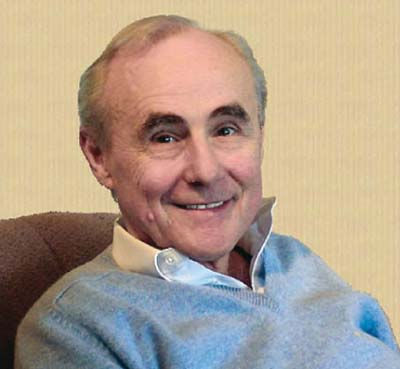
The world of energy psychology is pausing to honour a man whose work quietly and profoundly reshaped modern therapeutic practice. Gary Craig, the creator of Emotional Freedom Techniques (EFT), has passed away.
For many, EFT is now a familiar presence in therapy rooms, online sessions, humanitarian work, and self-help practices across the globe. Yet its beginnings were modest, experimental, and driven by one individual’s willingness to question complexity and trust lived results.
This is a tribute to Gary Craig — not only for what he created, but for how and why he created it.
How EFT Began: From Observation to Insight
Gary Craig did not set out to revolutionise therapy. Trained as an engineer, his mind was naturally drawn to systems, patterns, and efficiency. In the 1990s, he studied Thought Field Therapy (TFT) under psychologist Roger Callahan, who had already discovered that tapping on specific acupuncture points could reduce emotional distress.
At the time, TFT relied on complex algorithms: different tapping sequences for different emotional issues. Craig began to notice something unexpected. Clients were improving even when the sequences were not followed precisely. This observation mattered. Rather than dismissing it, Craig paid attention. He questioned the assumption that healing required exact formulas. From this curiosity emerged a bold simplification: one universal tapping sequence that could be used regardless of the presenting issue. Emotional Freedom Techniques was born not from theory alone, but from practice, observation, and humility.
A Radical Simplicity
What Gary Craig offered the world was deceptively simple.
EFT combined:
focused awareness on emotional distress
verbal acknowledgement of inner experience
gentle tapping on acupuncture points
This combination allowed emotional intensity to reduce without force, catharsis, or prolonged exposure. For many people, particularly those with trauma histories, this gentleness was revolutionary. Craig often emphasised that pain does not need to be relived to be released. This principle woulhttp://available.Atd later become central to trauma-informed approaches and to the growing use of EFT for releasing trauma.
Making Healing Accessible to All
One of Gary Craig’s most defining choices was ethical rather than technical. He made EFT freely available. At a time when many therapeutic methods were proprietary, Craig shared manuals, demonstrations, and training materials openly. His vision was clear: if something reduces suffering, it should not be hidden behind barriers.
This generosity is a key reason EFT spread internationally and organically. Today, EFT is used across cultures, professions, and continents — including in humanitarian settings, healthcare environments, and psychotherapy practices. It also paved the way for tapping online, long before online therapy became commonplace. EFT’s embodied simplicity allowed it to translate seamlessly into remote work, offering regulation and emotional support regardless of location.
EFT and Trauma: A Gentle Companion to the Nervous System
As EFT evolved, its application to trauma became increasingly significant.
Trauma often lives beyond words (in the body, the nervous system, and implicit memory.) EFT offered a way to approach these layers without overwhelming them. By pairing attention with rhythmic tapping, clients could stay present while distress softened.
Releasing trauma with EFT does not rely on reliving events in detail. Instead, it supports:
nervous system regulation
emotional titration
safety and choice
integration rather than reactivation
This made EFT particularly valuable for individuals who dissociate easily, feel emotionally flooded, or have struggled with more confrontational therapeutic approaches.
A Legacy Beyond Technique
Although EFT is often described as a technique, Gary Craig’s legacy is deeper than method.
He helped shift a paradigm:
from fixing to allowing
from force to flow
from complexity to clarity
He trusted the body’s intelligence. He trusted that healing could be kind. He trusted that people, when given simple tools, could meet themselves with compassion rather than judgment. EFT became not just a method, but a relational stance toward inner experience.
EFT Today: A Living Lineage
Gary Craig lived to see EFT grow far beyond its origins. Today, it is integrated into psychotherapy, counselling, coaching, medicine, and energy psychology worldwide. It continues to evolve through research, clinical practice, and ethical refinement. Every time tapping is used thoughtfully (whether in person or tapping online) it carries the imprint of Craig’s original vision: accessibility, simplicity, and respect for human experience.
In Gratitude
Gary Craig leaves behind no institution bearing his name, no rigid doctrine to follow. Instead, he leaves a living practice: one that adapts, responds, and continues to reduce suffering in quiet, meaningful ways.
His work reminds us that sometimes the most powerful contributions come not from adding more, but from stripping back what is unnecessary. May his legacy continue each time someone taps, breathes, and realises they are safer than they thought.
Today, EFT continues to support people with a wide range of emotional struggles, from trauma to anxiety, from shame to the feeling of not fitting in. You can read more in other posts in this blog. See below.


Comments